Balayage vs. Highlights: What's the Difference and Which Hair Color Technique Is Right for You?
If you're thinking about refreshing your hair color, you've likely come across two of the most popular options in the salon world: balayage and highlights.
While both techniques add dimension, brightness, and movement to the hair, they create very different results. Understanding the difference can help you choose a color service that complements your lifestyle, maintenance preferences, and overall beauty goals.
Many clients come into the salon knowing they want a brighter, more dimensional look but aren't quite sure which service will deliver the result they're after. The truth is that neither balayage nor highlights is universally better. The right choice depends on your hair type, desired level of maintenance, personal style, and how often you're willing to visit the salon.
In recent years, balayage has become especially popular among women looking for a softer, more natural-looking color that grows out beautifully between appointments. Traditional highlights, however, remain a favorite for those who want maximum brightness and more noticeable contrast throughout their hair.
In this guide, we'll break down the key differences between balayage and highlights, compare maintenance and cost, and help you determine which technique is the best fit for your hair goals.
What Is Balayage?
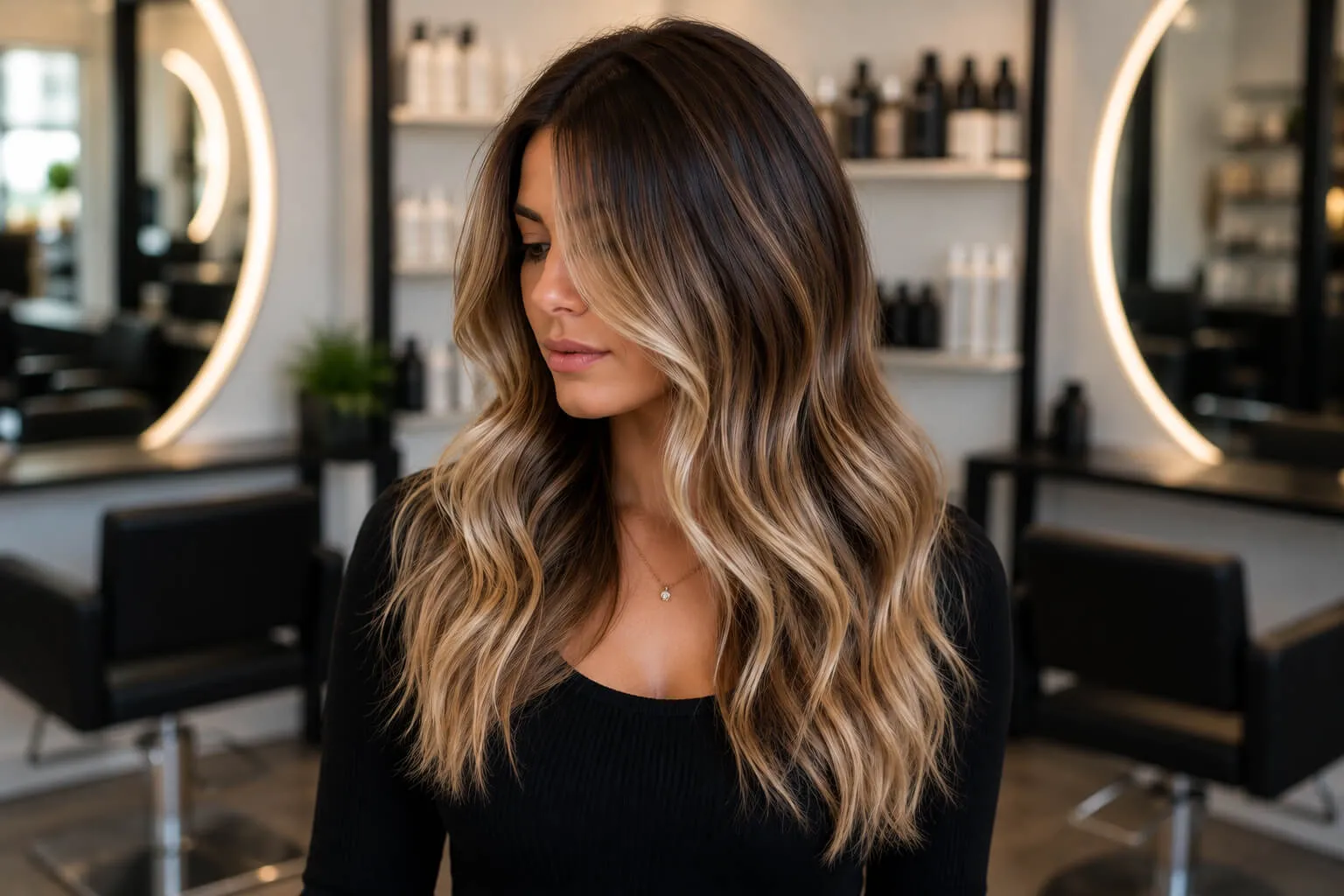
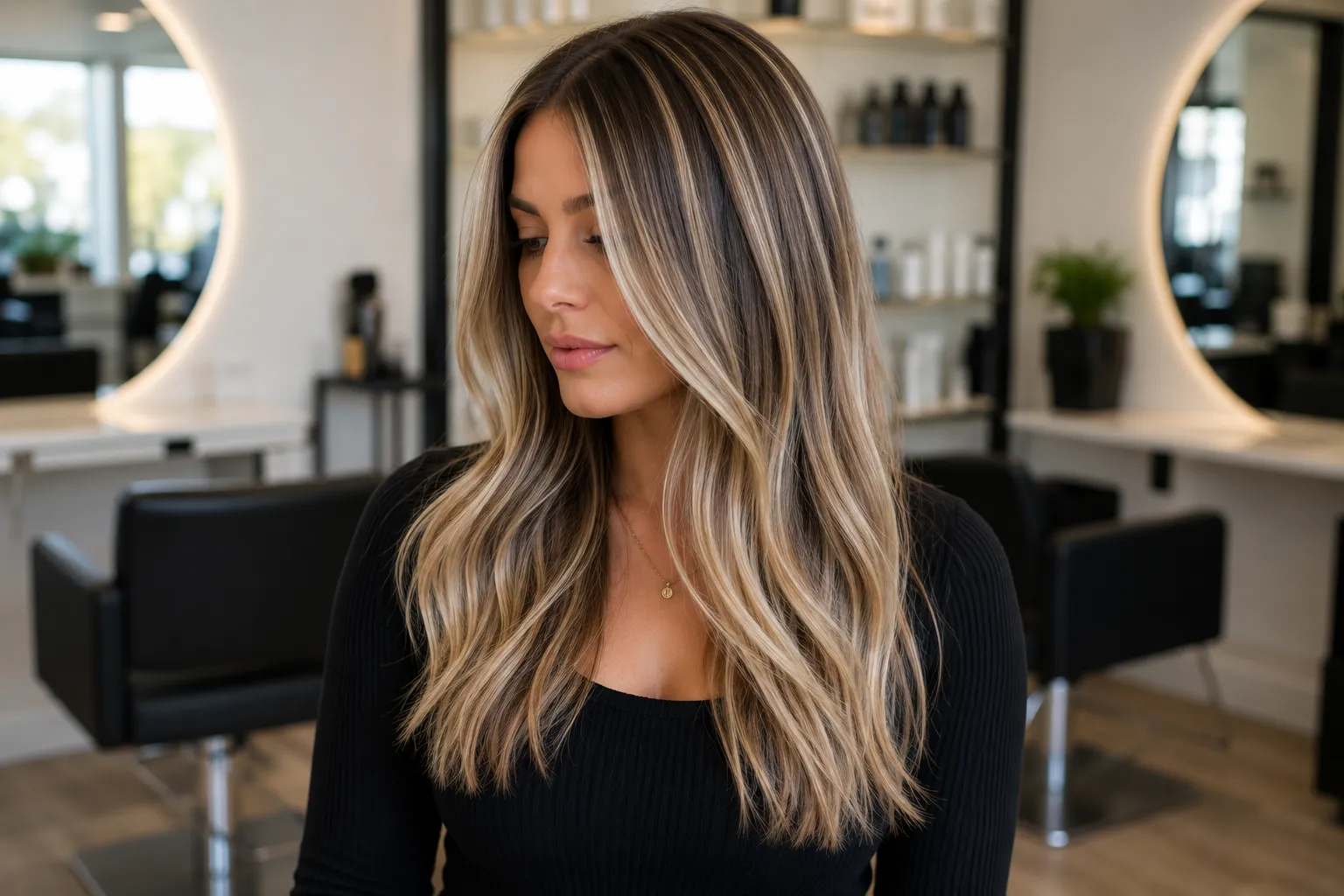
Balayage is a French hair coloring technique that involves hand-painting lightener or color directly onto the surface of the hair. The word "balayage" comes from the French term meaning "to sweep," which perfectly describes the painterly motion used during the application process.
Unlike traditional foil highlights, balayage does not follow a strict pattern from root to tip. Instead, the color is strategically placed to create a soft, sun-kissed effect that mimics the way hair naturally lightens over time.
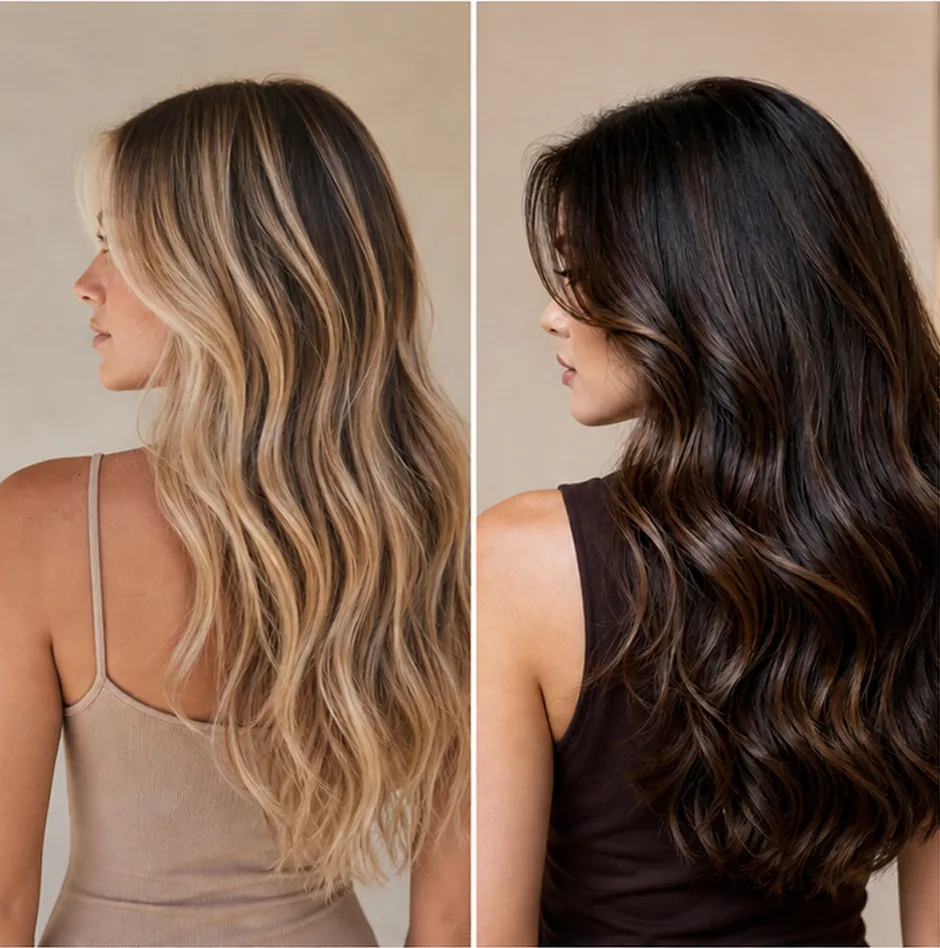
One of the biggest reasons balayage has become so popular is its ability to create a lived-in look. The color gradually transitions from darker roots to lighter ends, producing a seamless blend with no harsh lines.
Benefits of balayage include:
- Soft, natural-looking dimension
- Less noticeable grow-out
- Fewer salon maintenance appointments
- Custom placement tailored to your features
- Works beautifully on both blondes and brunettes
Balayage is especially popular among busy professionals, mothers, and anyone looking for a low-maintenance color solution that still feels polished and luxurious.
Because each application is customized, no two balayage services are exactly alike. A skilled colorist can tailor the placement and brightness to complement your skin tone, haircut, and desired level of contrast.
What Are Traditional Highlights?
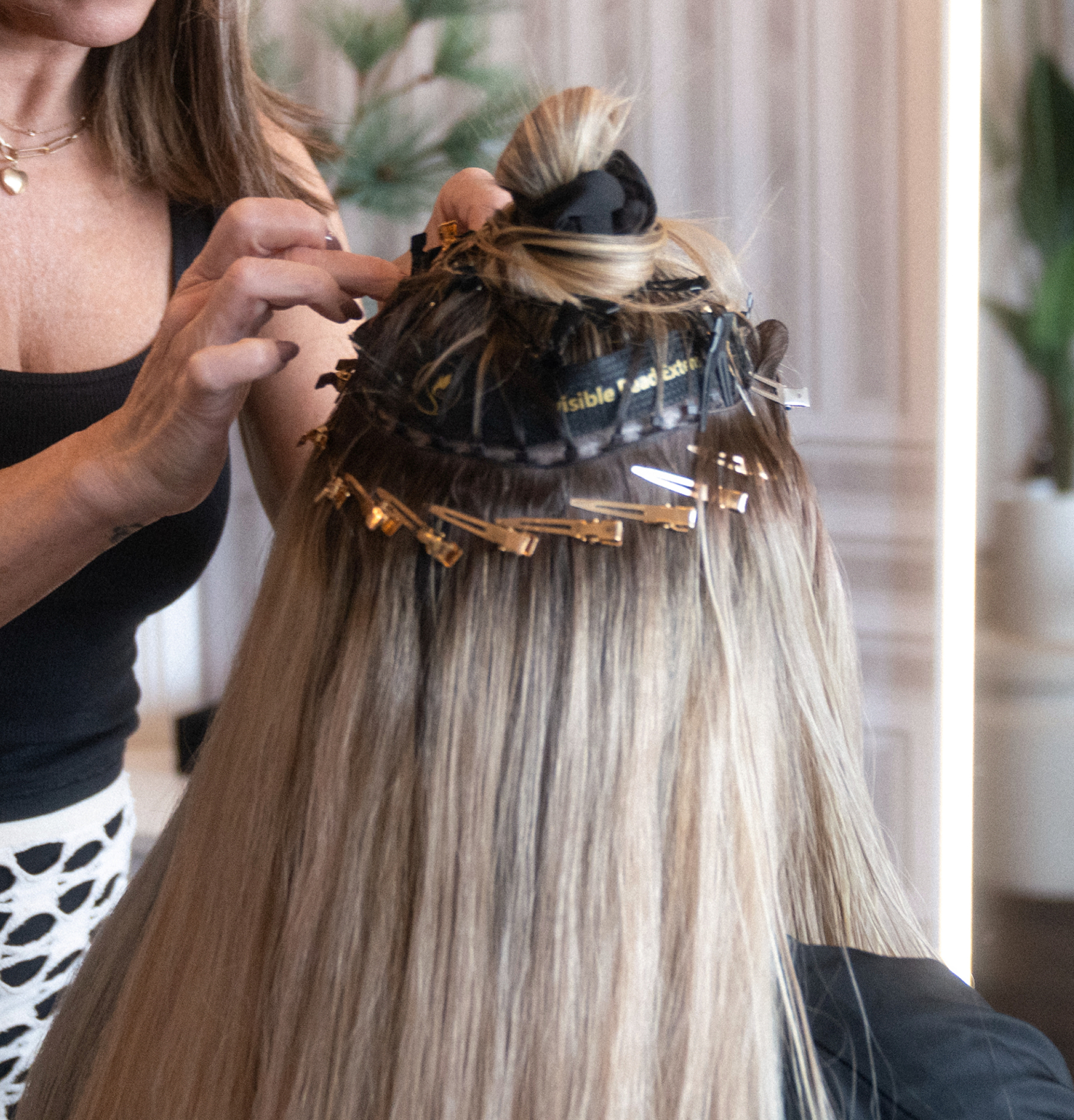
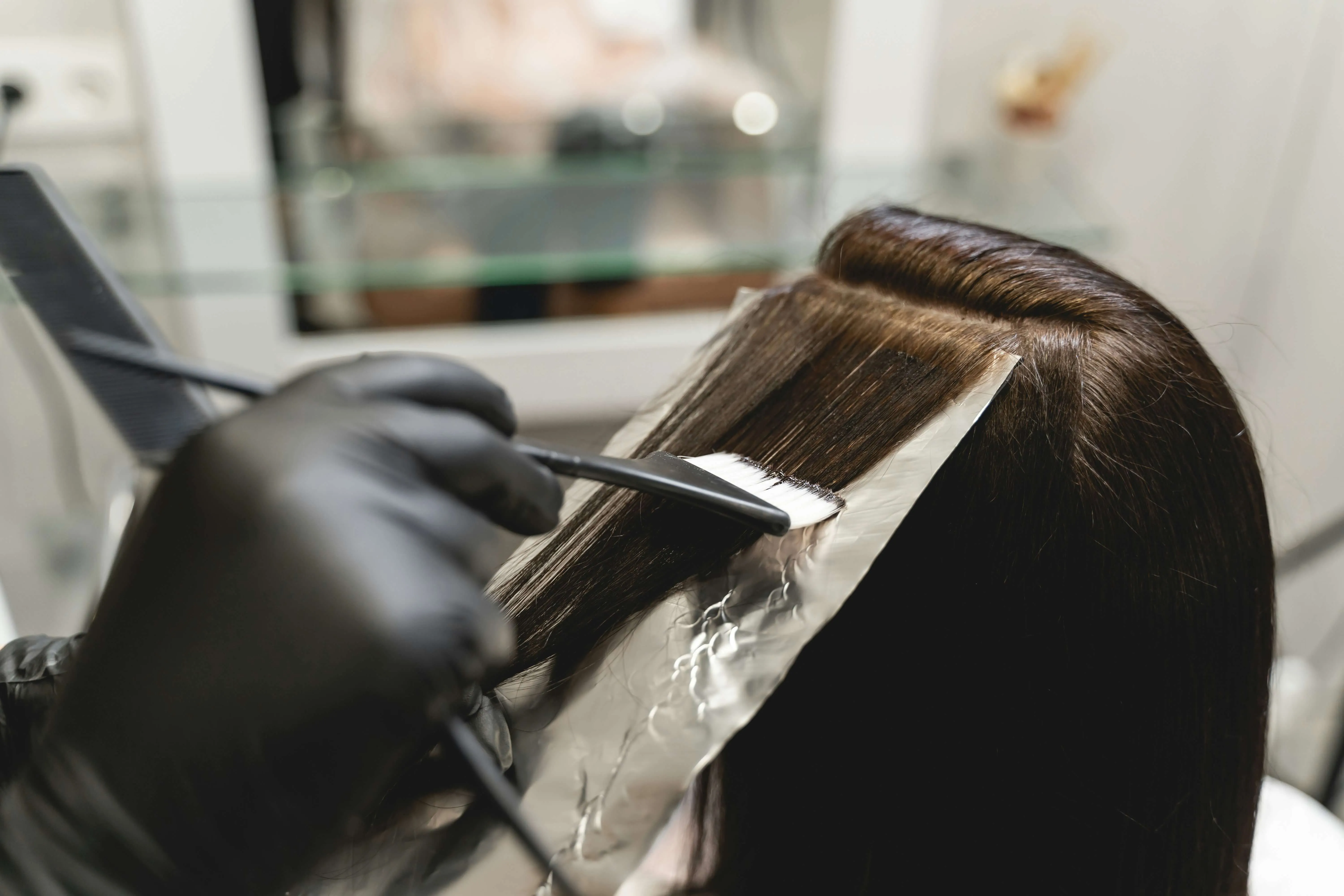
Highlights involve sectioning the hair and placing selected strands into foils before applying lightener. This technique allows the stylist to create a more uniform and controlled lift throughout the hair.
Traditional highlights have been a salon staple for decades because they can dramatically brighten the hair while creating noticeable dimension.
Depending on the desired result, highlights can be applied in various patterns and intensities, including:
- Partial highlights
- Full highlights
- Babylights
- Face-framing highlights
- Platinum highlighting techniques
Because foils fully enclose the hair during processing, highlights often achieve more lift than balayage. This makes them an excellent option for clients seeking a brighter blonde result or more dramatic color transformation.
Highlights are particularly beneficial for:
- Clients who want maximum brightness
- Individuals transitioning to blonde
- Those who prefer a more structured color pattern
- Clients looking to cover gray hairs more effectively
The finished result tends to be brighter from root to tip, creating a more noticeable color change compared to the softer appearance associated with balayage.
Balayage vs. Highlights: The Key Differences
At first glance, balayage and highlights may appear similar. Both techniques lighten sections of hair and add dimension. However, the application process and final result differ significantly.
Application Technique
- Balayage uses a freehand painting method that creates a customized, organic effect.
- Highlights rely on foil placement and sectioning to achieve consistent brightness throughout the hair.
Overall Appearance
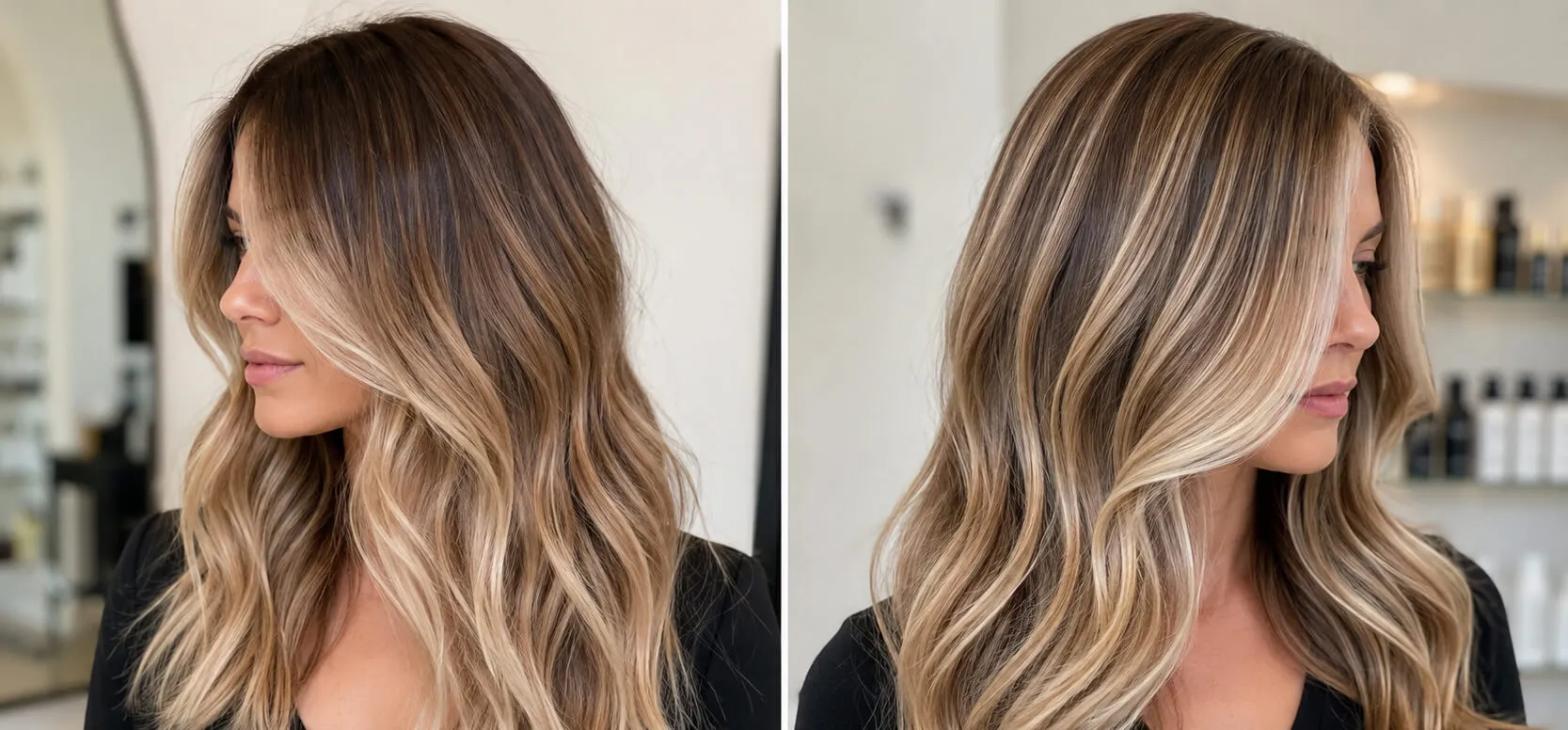
- Balayage produces a softer, more natural look with subtle transitions between shades.
- Highlights create a brighter and more defined appearance, with lightened strands beginning closer to the roots.
Grow-Out Process
- One of the biggest advantages of balayage is its seamless grow-out. Because the roots remain softer and less defined, new growth blends naturally into the color.
- Traditional highlights generally require more frequent maintenance because the regrowth line becomes more noticeable over time.
Maintenance Schedule
- Most balayage clients schedule touch-ups every 12 to 16 weeks.
- Highlight clients often return every 6 to 10 weeks to maintain brightness and address root growth.
Customization
While both services can be customized, balayage offers exceptional flexibility because the color placement is completely personalized to the client.
Which Option Requires Less Maintenance?
For many clients, maintenance is one of the biggest deciding factors when choosing between balayage and highlights.
If your schedule is packed and you prefer fewer salon visits throughout the year, balayage is often the better choice. Because the color is painted in a way that creates a soft transition from your natural root color to lighter ends, there is no harsh line of demarcation as your hair grows.
Many balayage clients can comfortably go three to four months between appointments while still maintaining a polished look.
Highlights, on the other hand, typically require more frequent upkeep. Since the lightened strands begin closer to the scalp, new growth becomes noticeable sooner. Most clients schedule highlight touch-ups every six to ten weeks to keep their color looking fresh and consistent.
That doesn't necessarily make highlights a bad choice. Some people enjoy maintaining a bright, freshly colored appearance year-round and don't mind regular salon visits.
If you're looking for:
- Fewer touch-ups
- A softer grow-out
- Lower annual maintenance
Balayage is generally the winner.
If you're looking for:
- Consistent brightness from root to tip
- A freshly colored appearance all year
- Maximum blonde impact
Highlights may be worth the additional maintenance.
Which Technique Looks More Natural?
Natural-looking hair color continues to be one of the biggest beauty trends in the United States, which is one reason balayage has experienced such a surge in popularity.
Balayage creates dimension that resembles naturally sun-lightened hair. The hand-painted placement allows colorists to strategically brighten specific areas while maintaining depth and softness throughout the hair.
The result often appears effortless, as though you spent months at the beach rather than several hours in a salon chair.
Traditional highlights create a brighter and more structured effect. While modern highlighting techniques have become increasingly sophisticated, highlights generally produce more contrast than balayage.
Neither look is better than the other. It simply comes down to personal preference.
Clients who typically prefer balayage often want:
- Soft dimension
- Natural movement
- A lived-in appearance
- Low-maintenance beauty
Clients who prefer highlights often want:
- Brighter blonde tones
- More noticeable color contrast
- Greater overall lightness
- Consistent brightness throughout the hair
Which Is Better for Different Hair Types and Colors?
One of the most common misconceptions is that balayage only works on blonde hair.
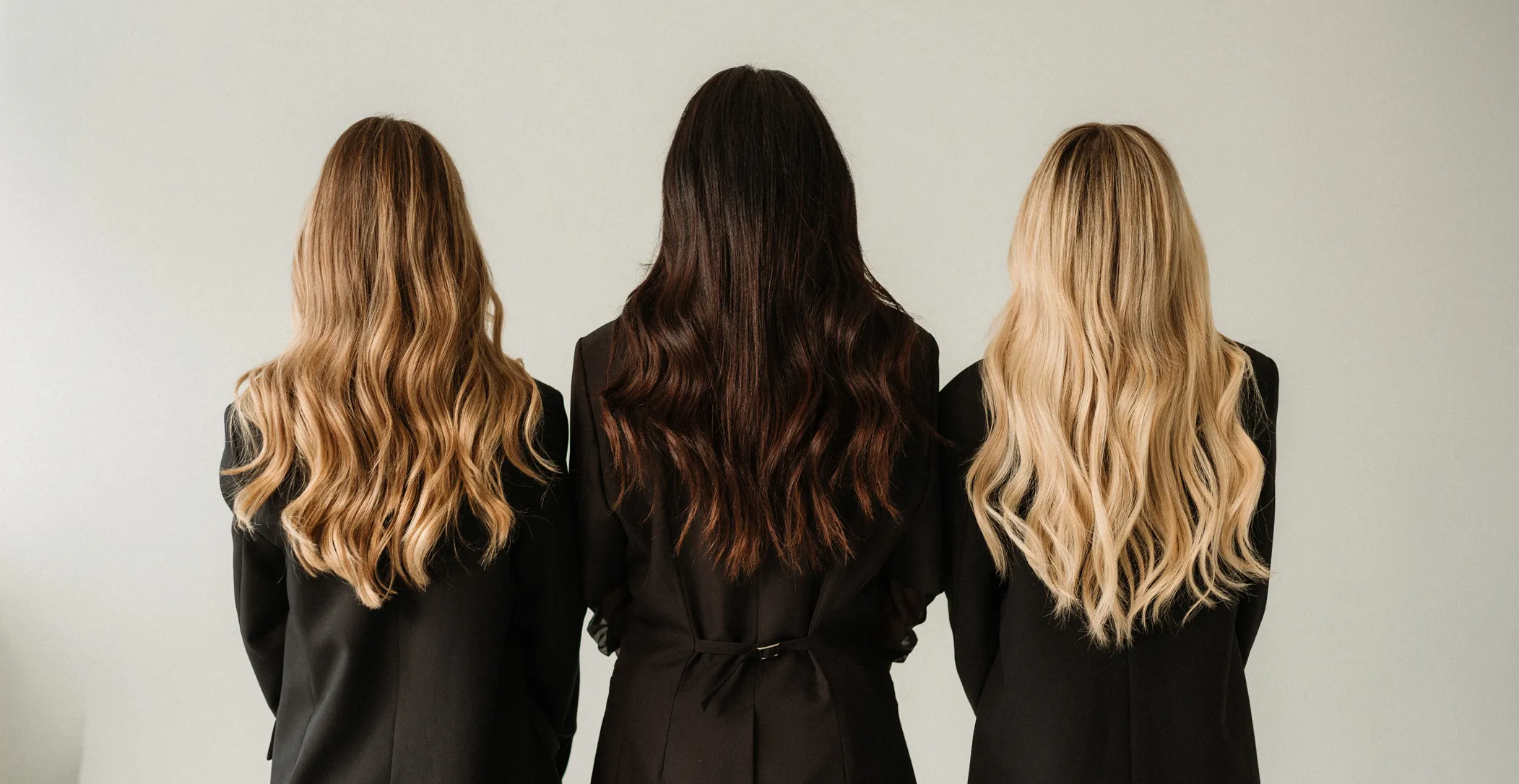
In reality, both balayage and highlights can be customized for virtually every hair color and texture.
Brunette Hair
Balayage is particularly popular among brunettes because it creates beautiful ribbons of dimension without dramatically altering the base color.
Caramel, honey, mocha, and golden tones can add movement and brightness while maintaining a rich brunette appearance.
Highlights can also work beautifully on brunettes but often create a more dramatic contrast.
Blonde Hair
Both techniques work exceptionally well on blonde hair.
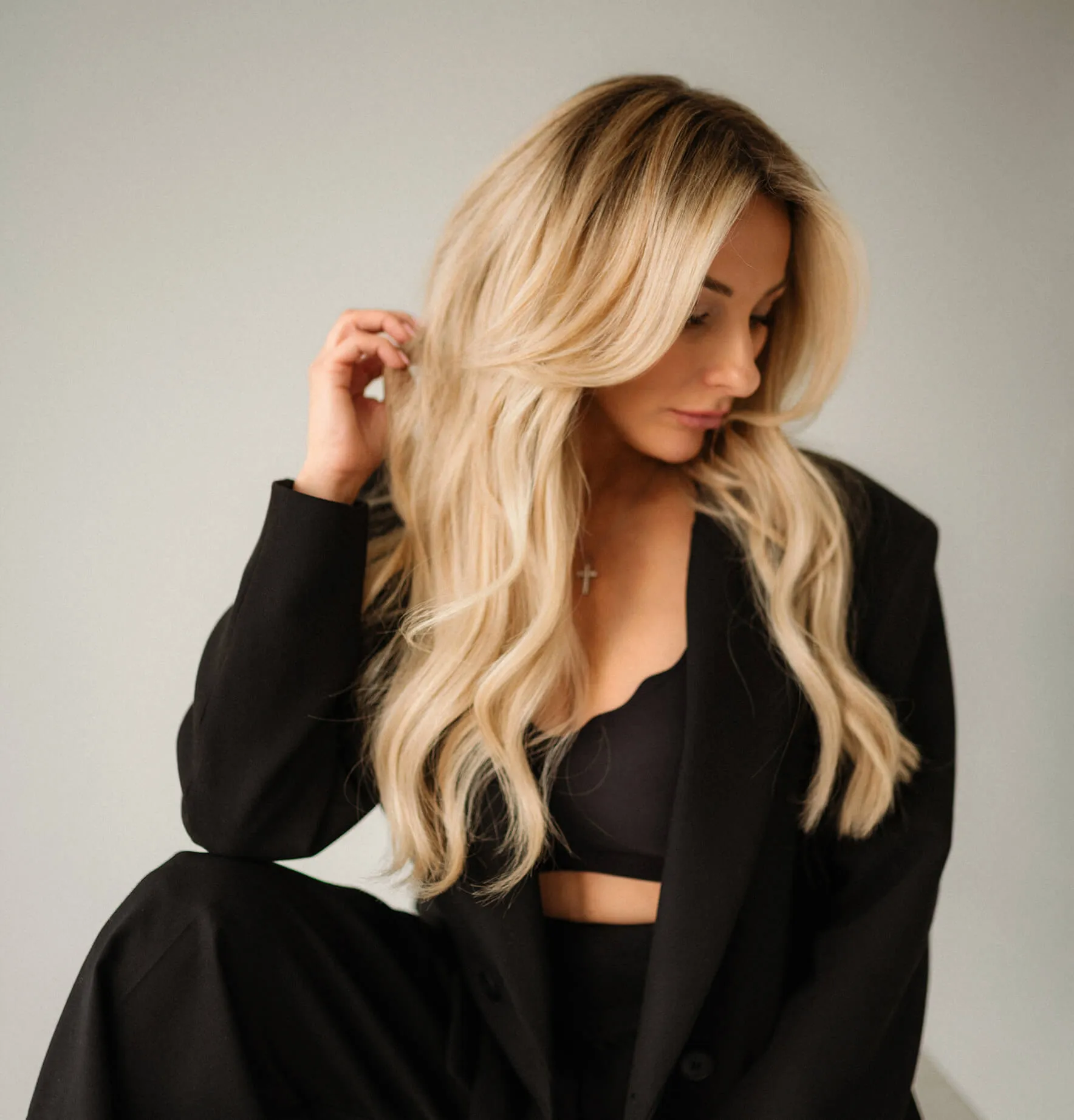
Balayage creates soft, beachy blonde dimension, while highlights can achieve brighter, more uniform blonde results.
Clients seeking a platinum or icy blonde appearance often benefit from traditional highlighting techniques because they allow for greater lift.
Fine Hair
Fine hair can benefit from either service.
Balayage creates the illusion of depth and movement, helping hair appear fuller and more dimensional.
Highlights can also add visual volume by creating contrast between lighter and darker strands.
Thick Hair
Thicker hair provides a larger canvas for both techniques.
Balayage often showcases movement beautifully on long, thick hair because the painted pieces can be strategically placed to enhance layers and texture.
Curly Hair
Balayage is often a favorite among curly-haired clients because the hand-painted placement can be customized to highlight natural curl patterns.
The result is dimensional color that enhances movement without overwhelming the texture.
Cost Comparison: Balayage vs. Highlights
Price is another important consideration when choosing a color service.
The cost of either treatment depends on several factors, including:
- Hair length
- Hair density
- Desired level of lightness
- Geographic location
- Stylist experience
- Number of sessions required
In many salons, balayage appointments may cost slightly more upfront because of the customized application process and the level of artistry involved.
However, because balayage generally requires fewer maintenance appointments throughout the year, some clients ultimately spend less on color maintenance over time.
Highlights may have a lower initial appointment cost, but more frequent touch-ups can increase annual maintenance expenses.
When evaluating cost, it's important to consider the long-term investment rather than focusing solely on the price of a single visit.
A consultation with your stylist is the best way to determine which service aligns with your budget and desired maintenance schedule.
How to Choose the Right Hair Color Service
If you're still undecided between balayage and highlights, start by asking yourself a few simple questions.
How often do you want to visit the salon?
Do you prefer a natural or dramatic result?
Are you looking for a subtle dimension or maximum brightness?
How much maintenance are you comfortable with?
Balayage may be right for you if:
- You love low-maintenance beauty
- You prefer a softer, lived-in look
- You want natural-looking dimension
- You don't want frequent touch-ups
Highlights may be right for you if:
- You want brighter blonde results
- You enjoy regular salon maintenance
- You prefer more noticeable contrast
- You want consistent brightness from roots to ends
The best choice isn't necessarily the trendiest option. It's the one that complements your lifestyle, beauty goals, and maintenance preferences.
Why More Women Are Choosing Lived-In Color
Over the past several years, the beauty industry has shifted toward more effortless, low-maintenance hair color solutions.
Today's clients often want hair that looks beautiful not only the day they leave the salon but also weeks and months afterward.
That's one reason lived-in color techniques have become increasingly popular.
What Is Lived-In Color?
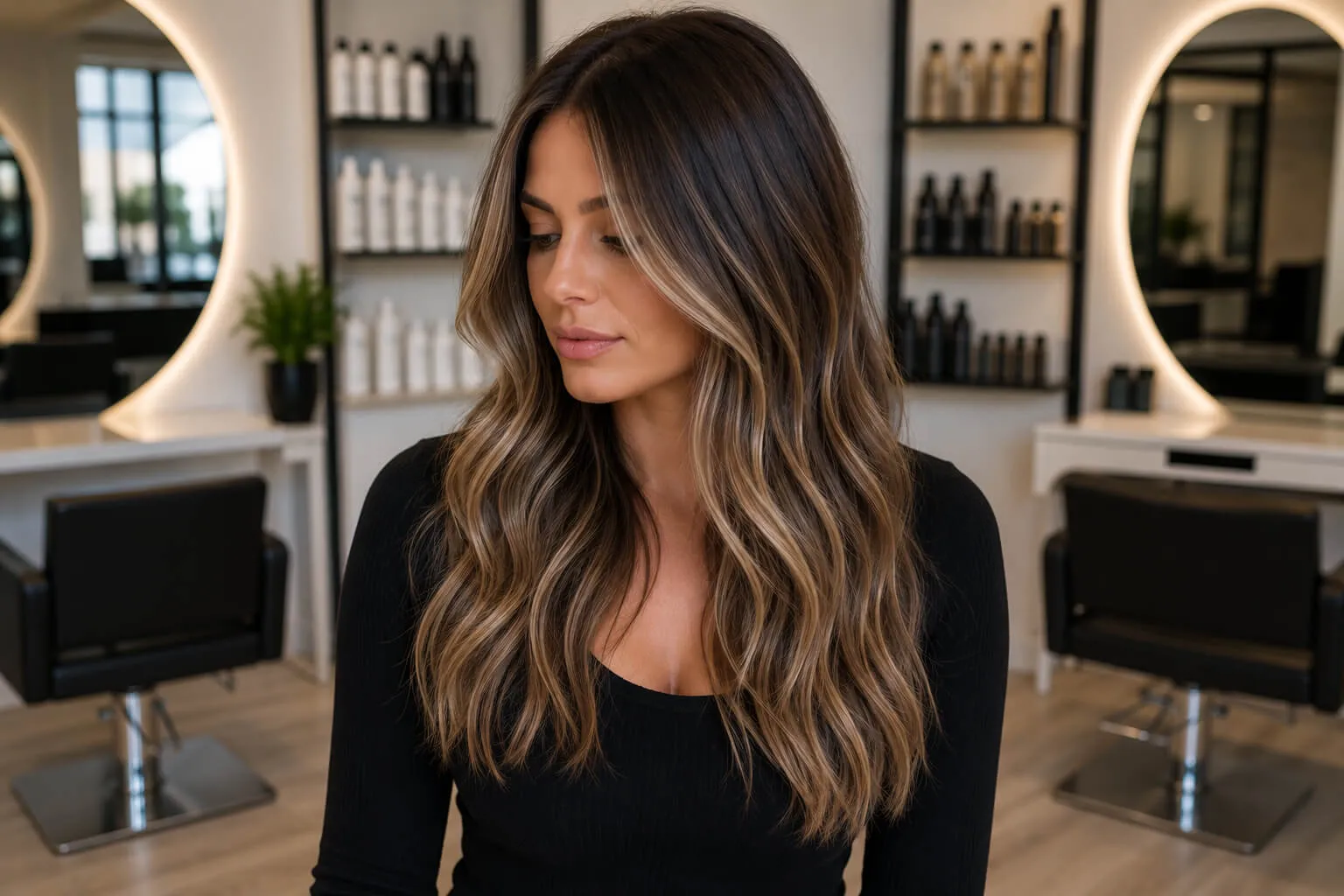
Lived-in color is a customized hair coloring approach designed to create soft dimension, seamless grow-out, and a naturally sun-kissed look that stays beautiful long after you leave the salon. Unlike a single coloring technique, lived-in color is the finished result—tailored specifically to your hair, lifestyle, and maintenance preferences.
To achieve that effortless, low-maintenance look, your appointment may combine multiple professional techniques, including:
- Balayage for soft, hand-painted brightness
- Foil highlights for added lift and brightness
- Babylights or teasylights for seamless dimension
- Root melts or shadow roots to soften regrowth
- Glosses or toners to perfect the final tone and shine
Every formula and technique is selected based on your natural hair color, previous color history, desired brightness, and how often you want to visit the salon. The result is a personalized color that grows out beautifully, minimizes harsh lines, and looks effortlessly natural.
Whether you're dreaming of a bright blonde, soft brunette, or dimensional caramel tones, lived-in color is designed to give you a color that's uniquely yours—not a one-size-fits-all formula.
Frequently Asked Questions
Is balayage better than highlights?
Neither technique is inherently better than the other. Balayage is ideal for those who want a softer, more natural-looking result with less maintenance, while highlights are often the preferred choice for clients seeking maximum brightness and a more dramatic color transformation.
Does balayage last longer than highlights?
In most cases, yes. Balayage tends to grow out more naturally because the color is blended throughout the hair rather than applied directly at the roots. This allows many clients to go longer between salon appointments compared to traditional highlights.
Which is more expensive: balayage or highlights?
Balayage may cost slightly more upfront due to the customized application process and artistry involved. However, because it often requires fewer touch-up appointments, many clients find it to be a worthwhile long-term investment.
Is balayage less damaging than highlights?
Both services involve lightening the hair and should be performed by an experienced professional to maintain hair health. Neither technique is automatically less damaging, but a skilled colorist can customize either service to preserve the integrity of your hair while achieving your desired result.
Can balayage be done on dark hair?
Absolutely. Balayage is one of the most popular color services for brunettes because it adds dimension and brightness while maintaining depth and richness throughout the hair. Caramel, honey, and mocha tones are especially popular choices for darker hair colors.
Conclusion
Both balayage and highlights can create beautiful, dimensional hair color, but the right choice depends on your desired look and maintenance preferences. Balayage offers a softer, lived-in finish with less upkeep, while highlights provide brighter, more defined results.
An experienced colorist can help you determine which technique best suits your hair, lifestyle, and goals, ensuring a customized result that enhances your natural beauty and leaves you feeling confident.
Not Sure Which Color Service Is Right for You?
Choosing between balayage and highlights doesn't have to be overwhelming. A professional color consultation can help determine which technique best suits your hair type, lifestyle, maintenance preferences, and desired result.
At SWOON, we specialize in customized color services designed to enhance your natural beauty while creating results that fit seamlessly into your everyday life. Whether you're looking for soft, lived-in dimension or brighter, more dramatic color, our team can help you achieve a look you'll love.
Schedule a consultation today and take the first step toward your perfect color.